
Summer Transition & Autism Routine
The end of the school year can bring a big mix of emotions.
No more homework battles. No more hectic morning rush. No more packing lunches before the sun is fully up.
But for many autism moms, summer also brings a quiet little question:
What are we going to do with all these open hours?
For children on the spectrum, moving from a structured school schedule to long, flexible summer days can be a major transition. When routines change suddenly, children may feel anxious, overwhelmed, or unsure of what to expect. And when predictability decreases, challenging behaviors can sometimes increase.
That is why having a simple summer transition autism routine can make such a meaningful difference.
Take a deep breath, SuperMom.
You do not need to create a perfect summer. You do not need to become a full-time camp counselor. And you definitely do not need to have every hour planned.
The goal is simply to bring enough structure, support, and predictability into your days so your child can feel safe, regulated, and ready to enjoy the season.
Here are 5 practical tips to help your family move into summer with more calm and confidence.
1. Use Visual Schedules to Bring Predictability Back
If you have been around SuperKids for a while, you already know how much we love visual supports.
During the summer, visual schedules can be especially helpful because the day is no longer guided by school bells, classroom routines, or predictable pick-up and drop-off times.
A visual schedule helps your child understand what is happening now, what comes next, and what to expect throughout the day. Visual supports can also help create predictability around routines and transitions, which may support communication, participation, and independence.
Start simple. You do not need to schedule every minute.
You can create visual blocks for:
Morning routine
Breakfast
Play time
Therapy or summer camp
Lunch
Screen time
Outdoor play
Bath time
Bedtime routine
The more your child can “see” the day, the easier it may be for them to move through it.
👉Need help getting started? We recommend reading our previous article:: An Autism-Friendly Home: Essential Tips for SuperKiddos.
2. Keep Therapy Consistent to Help Prevent Regression
Summer is a time for fun, rest, and connection. But it is also a season when many children experience a sudden drop in structure and consistent practice.
For children with autism, this can sometimes lead to skill regression, often called the “summer slide.” This means a child may lose or struggle with skills they worked hard to build during the school year, such as communication, social interaction, emotional regulation, following directions, or daily routines.
That is why continuing ABA therapy during the summer can be so valuable.
Therapy does not take away from summer fun. When done with intention, it can help your child continue learning through play, movement, social moments, and everyday routines.
At SuperKids, our Super Summer Program is designed to support this balance.
Kiddos can enjoy seasonal activities like water play, arts and crafts, group games, movement, and outdoor fun while still receiving the structure and support they need to continue practicing meaningful skills.
Summer progress does not have to look like a classroom.
Sometimes, it looks like waiting for a turn during a game.
Asking for help during water play.
Following a group instruction.
Trying something new.
Transitioning from one activity to another.
Playing next to a peer.
Using words, gestures, or communication tools to express a need.
Those small moments matter. And with the right support, they can become big steps forward.
3. Keep Your Daily Anchors in Place
Summer does not need to be as structured as the school year, but keeping a few key moments consistent can make a big difference.
We like to call these moments “daily anchors.”
Daily anchors are the parts of the day that stay mostly the same, even when the rest of the schedule changes.
For example:
Wake-up time
Meal times
Nap or quiet time
Bath time
Bedtime routine
When these anchors stay predictable, your child has a stronger sense of safety and rhythm. This can help reduce dysregulation and make flexible summer plans feel less overwhelming.
You can still go to the park, visit family, enjoy water days, or have a slower morning. But if your child knows that certain parts of the day remain the same, they may feel more secure moving through everything else.
4. Prepare Your Child for Changes With “First / Then”
Summer often brings last-minute plans.
A beach day.
A rainy day.
A change in pick-up time.
A visit from family.
A different route.
A canceled activity.
For many children with autism, sudden changes can feel very stressful. Even fun plans can be hard when they happen without warning.
One simple strategy that can help is “First / Then.”
For example:
“First sunscreen, then pool.”
“First lunch, then playground.”
“First clean up, then tablet.”
“First shoes, then car.”
This gives your child a clear, simple sequence. It helps them understand what is expected and what is coming next.
When possible, use visuals, gestures, or a calm voice to support the transition. If a plan changes, try to give your child a little time to process it before moving into the next activity.
The goal is not to avoid every change. The goal is to help your child feel prepared enough to handle changes with more confidence.
5. Create a Cool-Down Space at Home
Summer can be a lot.
The heat, the noise, the outings, the changes in routine, and the extra stimulation can build up quickly. Having a calm space at home can help your child regulate before things feel too overwhelming.
This does not need to be a full sensory room. It can be a simple corner with a few calming items.
You can include:
Cushions or a soft chair
A small tent or quiet corner
Favorite books
Noise-reducing headphones
Fidgets or sensory toys
A weighted blanket, if appropriate for your child
A visual card that says “break” or “calm time”
Try to introduce this space before your child is already in distress. You can use it as part of the daily routine or offer it when you notice your child may need a break.
For example:
“Your body looks tired. Let’s take a calm break.”
This teaches your child that regulation is not a punishment. It is a tool.
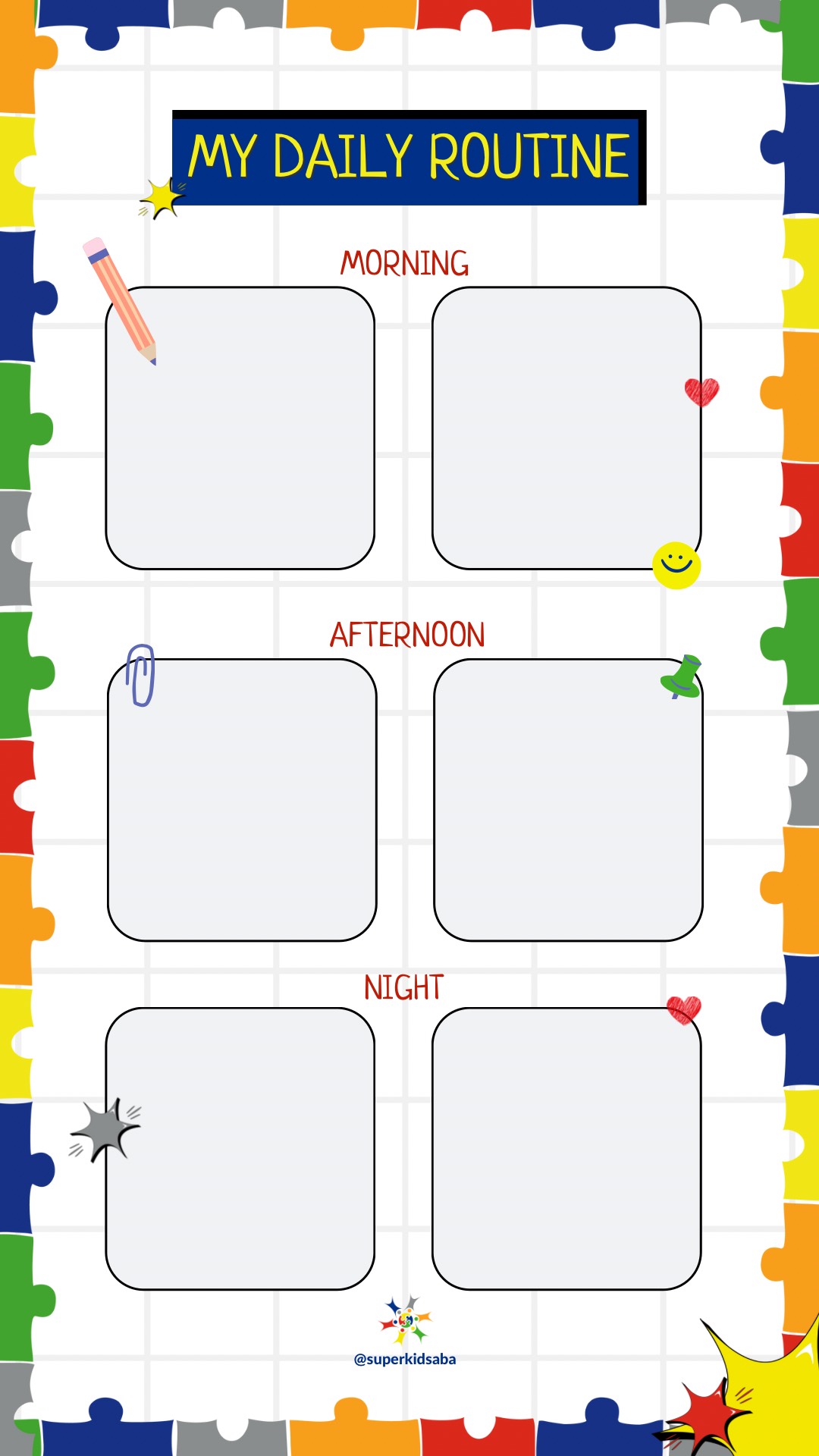
🎁Free Download: Summer Visual Schedule Templates
To help make the summer transition easier, we created free printable resources you can start using at home.
Download your free summer routine tools:
Weekly Planner for Kids
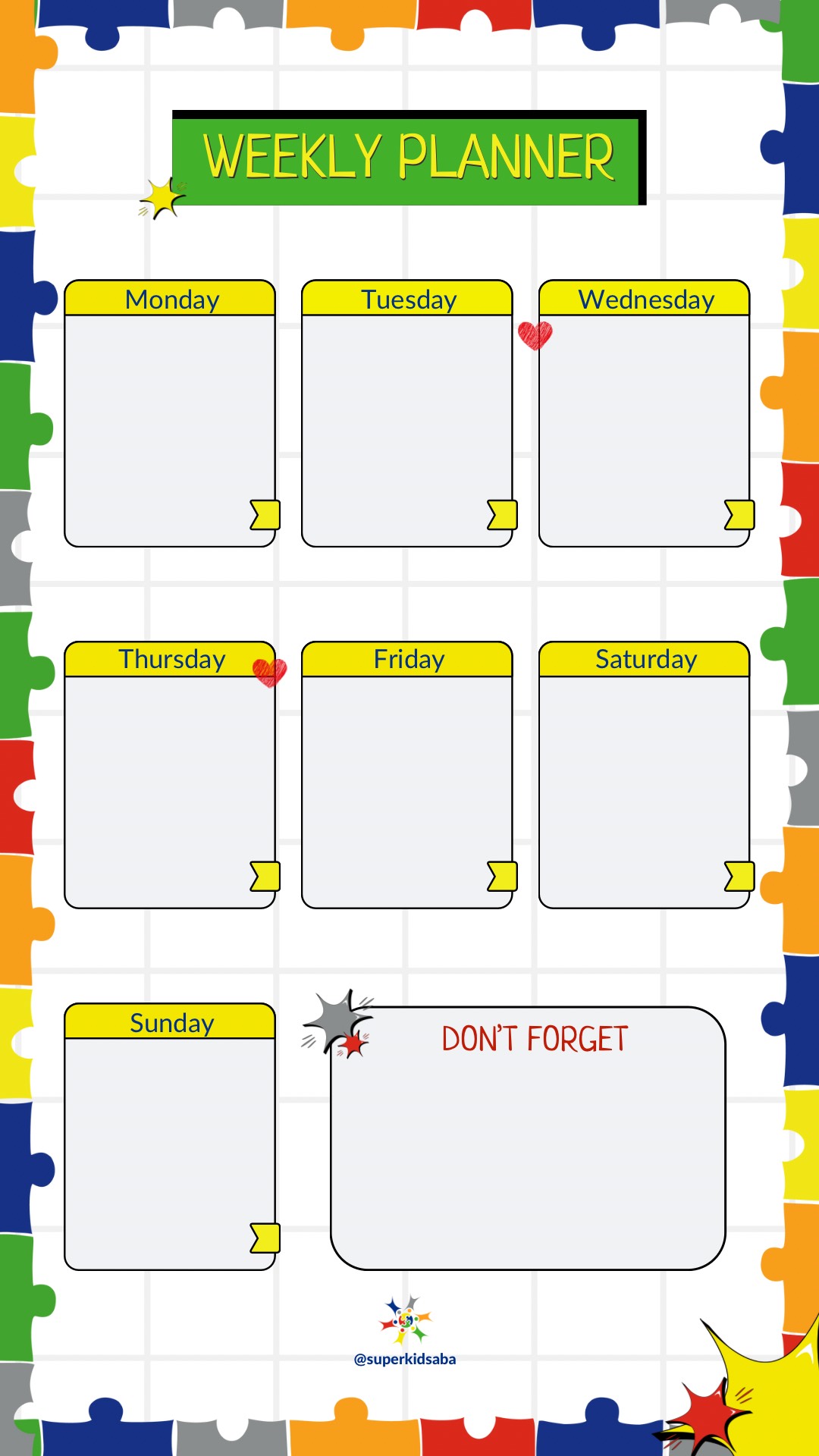
These tools can help your child see what to expect, follow daily routines, and feel more prepared during the summer months.
You can print them, personalize them, and use them as part of your morning routine, bedtime routine, therapy plan, or summer schedule.
You Do Not Have to Figure Out Summer Alone
SuperMom, remember this: the goal of summer is not to have perfect days.
The goal is to help your child feel supported, protect the progress they have worked so hard to build, and create moments of connection along the way.
Some days will feel smooth. Some days will feel messy. That is okay.
With the right structure, visual supports, consistency, and team by your side, summer can become a season of growth, confidence, and joy.
And if you feel your child would benefit from a safe, supportive, and structured environment this summer, our SuperKids team is here for you.
Our Summer Program is officially open, and we would love to support your Kiddo through a summer filled with learning, play, connection, and care.
Have questions about your child’s summer routine? Reach out to our team. We are happy to guide you and help you explore the best support for your Kiddo this season.
Because summer does not have to feel overwhelming when you have support.
Together, we make it better! ✨