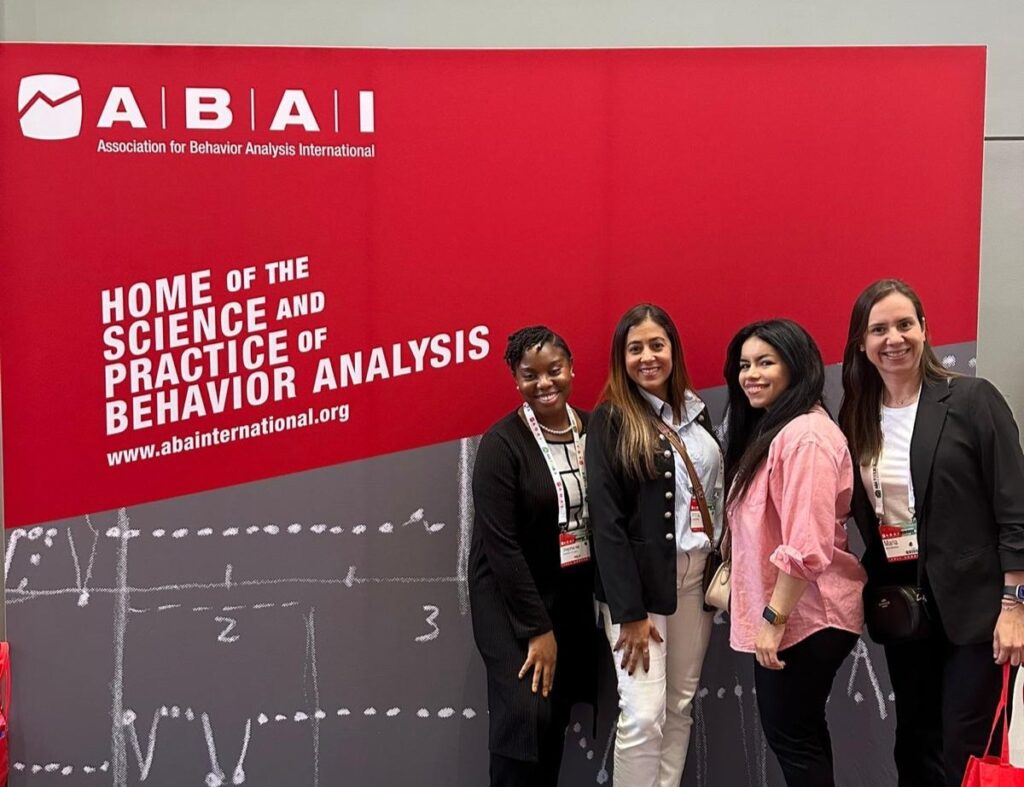
Are you an RBT looking for multiple hacks to optimize your ABA career with a Conference?
Whether you are walking through the buzzing exhibition halls at a major event like FABA in Orlando, attending a weekend workshop, or scrolling through the latest behavior analysis journal, one thing is clear: our field is overflowing with brilliant research and passionate minds.
I’m RBTs and early-career BCBAs, it’s remarkably easy to run into two very real, very human challenges once the initial excitement settles down:
- The Isolation Gap: That subtle hesitation to ask questions or talk to other professionals for fear of sounding inexperienced.
- The Notebook-to-Clinic Trap: Returning to your therapy room on Monday morning with pages of inspiring notes, only to feel entirely overwhelmed by how to actually adapt them into a 3-hour session with a 4-year-old.
At SuperKids, we believe clinical growth shouldn’t feel heavy, rigid, or solitary. Here are 3 practical “hacks” to help you build your village, ask questions without fear, and turn big scientific ideas into daily therapy magic.
Hack #1: Ditch “Networking”: Start Unlocking Conversations
Navigating professional events, or even initiating a clinical discussion with a senior BCBA in your own clinic, can feel daunting. But no clinician reaches their full potential in isolation, and building a supportive professional circle doesn’t require a forced, formal approach to networking.
Shift your perspective from trying to impress to simply being curious. Instead of sticking to standard, mechanical small talk about job titles, try asking fellow clinicians about a small victory that made them smile that week, or what presentation truly challenged their thinking. When we open conversations grounded in shared clinical experiences, real connections form naturally.
Hack #2: Normalize “I Don’t Know Yet” (Your Secret Weapon for Mentorship)
Seeking mentorship works much the same way. It is completely normal to encounter complex behavioral cases that leave us guessing. The most experienced clinicians aren’t the ones who have every answer memorized; they are the ones who never stopped asking questions.
Normalizing the phrase “I don’t know yet, but I want to learn” transforms clinical supervision from an evaluation into a safe space for growth.
Pro Tip: Keep a running list of real-time “stuck moments” on your phone throughout the week. Bringing 2–3 specific scenarios to your next check-in gives you a practical, stress-free foundation for clinical guidance.
Hack #3: Gamify the Science (From Research to Clinic Floor)
The real magic of behavior analysis happens when complex science seamlessly blends into natural play. When you encounter a fascinating concept—like a new approach to joint attention or systematic desensitization for sensory processing, the key is translating it immediately into everyday language.
- The Coffee Test: If you can’t comfortably explain the core idea to a friend over coffee, it will be equally tough to adapt it for a child on the play mat.
- Merge with Motivators: If you are exploring desensitization for texture aversion, you don’t need to present a formal protocol to the child. Paint can become a “rescue mission” where a superhero figurine needs to be saved using just one finger at a time. The clinical objective remains rigorous, but to the child, it’s simply an engaging game.
- Micro-Burst Testing: Resist the urge to overhaul your entire session structure at once. Introduce new ideas in tiny, 5-minute micro-bursts during natural play transitions. Take note of how the child responds, adjust where needed, and share those quick reflections with your team.
Growth Is a Team Sport
At SuperKids, we know that when therapists feel empowered, connected, and supported, our Kiddos receive the highest quality of care.
Whether you’re connecting with us in Orlando at FABA or reading this from your local therapy room, remember: you don’t have to figure it all out alone. Ask the question, try the game, and keep growing! 🧩💙
Together, we make it better! ✨